The Monday Meet Up
Free refreshments, activities and talks in partnership with AgeUK RBH Di’s Diamonds over 50s social group.

When it’s cold and dark in the winter, you’re more likely to become unwell. There are lots of services to help you stay healthy and warm in the winter.
Cold temperatures, winter illnesses and shorter days can be particularly difficult for older people, young children, pregnant people, those with long-term health conditions or disabilities, and people who are experiencing challenges keeping their home warm.
There are simple things you can do to help you and your family stay well this winter. Support is also available across Havering.
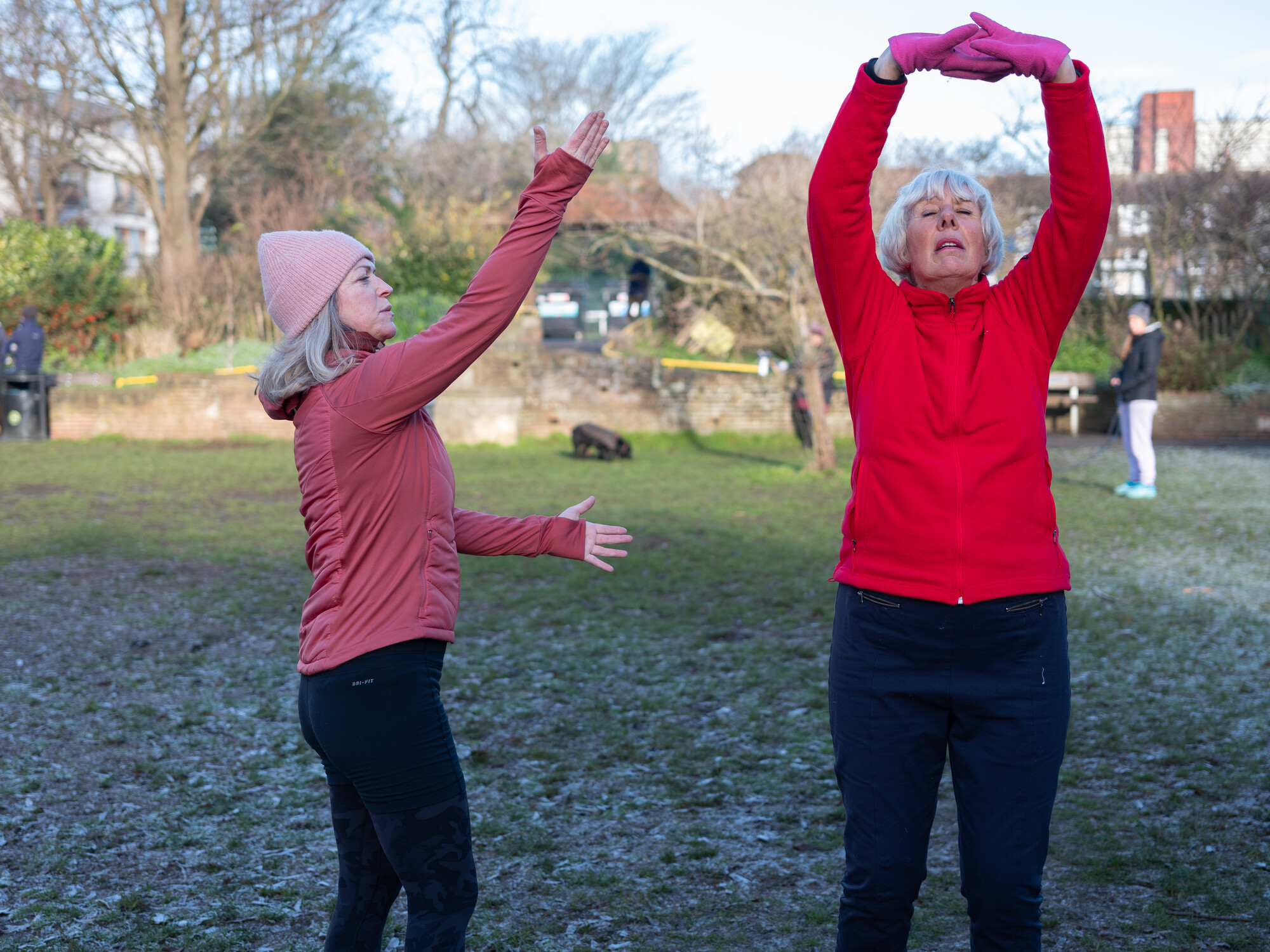
Cold weather affects everyone, and a cold home can affect your health. The chances of becoming unwell are higher if you are:
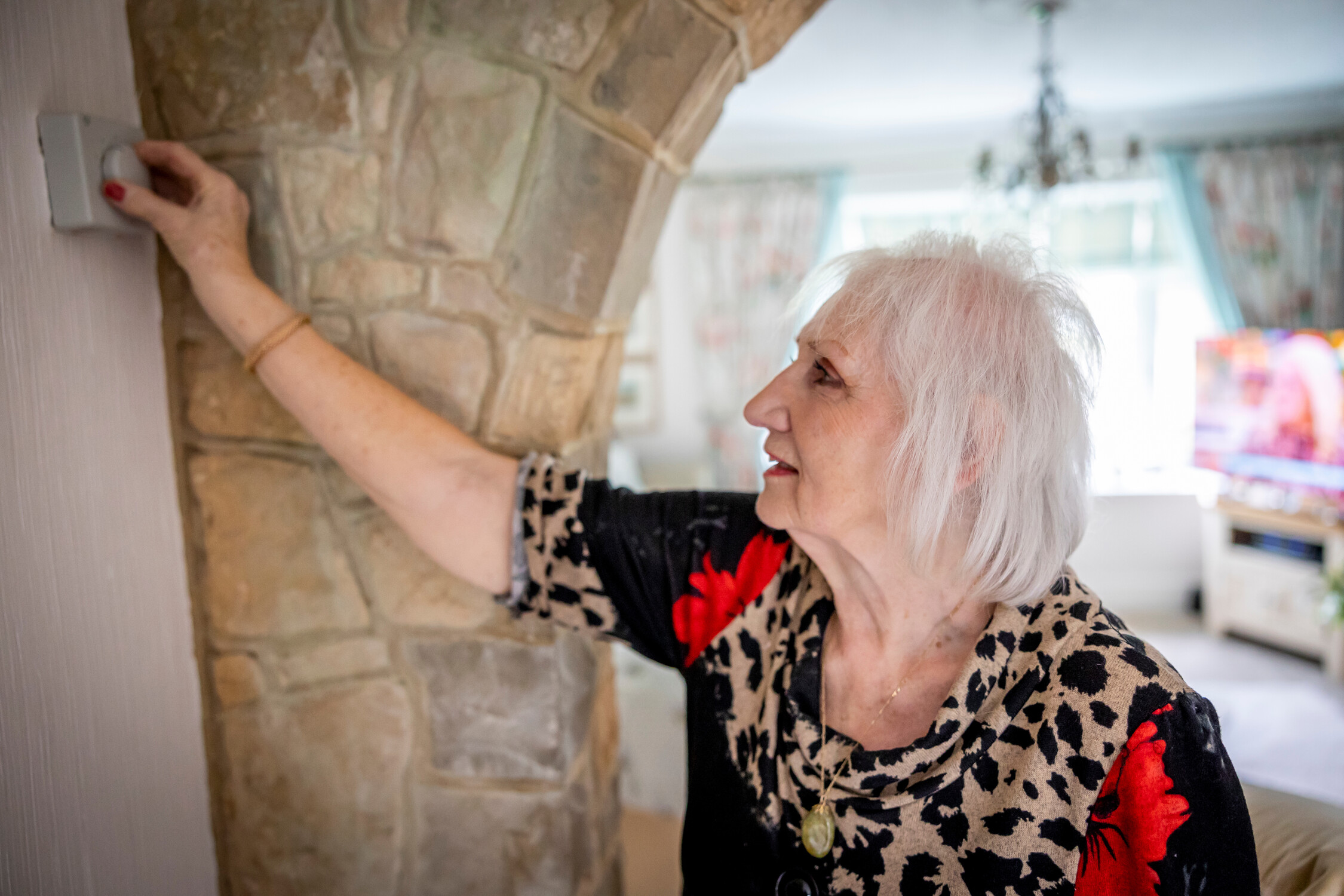
One of the best ways to stay well during winter is to stay warm and heat your home, especially if your house is damp.
Taking care of yourself during winter can help you stay well and reduce the risk of winter illnesses.
Look after your health
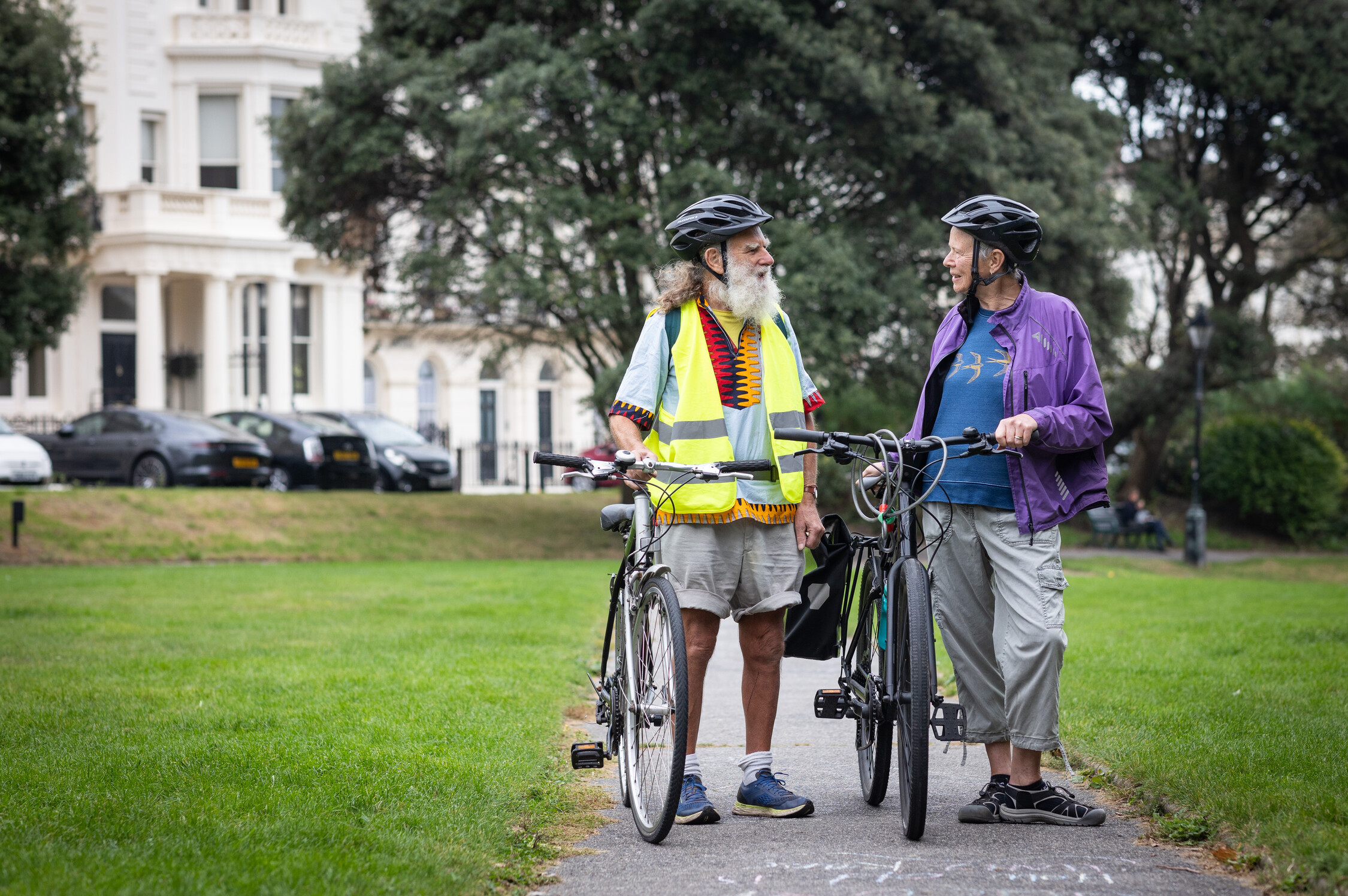
can help you stay warm and maintain your strength.
Help prevent winter infections
Influenza (flu), COVID-19, respiratory syncytial virus (RSV), norovirus and other respiratory and stomach infections can spread more easily during the winter when people are more likely to meet in enclosed spaces with reduced ventilation.
You can help protect yourself and others by:
If you have vomiting or diarrhoea, stay away from work, school or nursery and do not visit friends or family in hospital until you have been free from these symptoms for at least 48 hours. Wash your hands thoroughly with soap and water if you have vomiting or diarrhoea. Alcohol hand gels are not effective against norovirus.
If you feel unwell
Your local pharmacist can give advice and treatment for a range of minor illnesses, including coughs, colds and sore throats. Through NHS Pharmacy First, participating community pharmacies can also assess and, where appropriate, treat certain common conditions without you needing a GP appointment.
Use NHS 111 online or call 111 if you need urgent medical help and are not sure what to do.
Call 999 in a medical emergency.
Vaccination can help protect you from serious illness during the winter.
Flu, COVID-19 and respiratory syncytial virus (RSV), can cause serious illness for some people. Different vaccines are offered to different groups based on the risk of infection and serious illness. This is a decision and you can choose whether or not to have them.
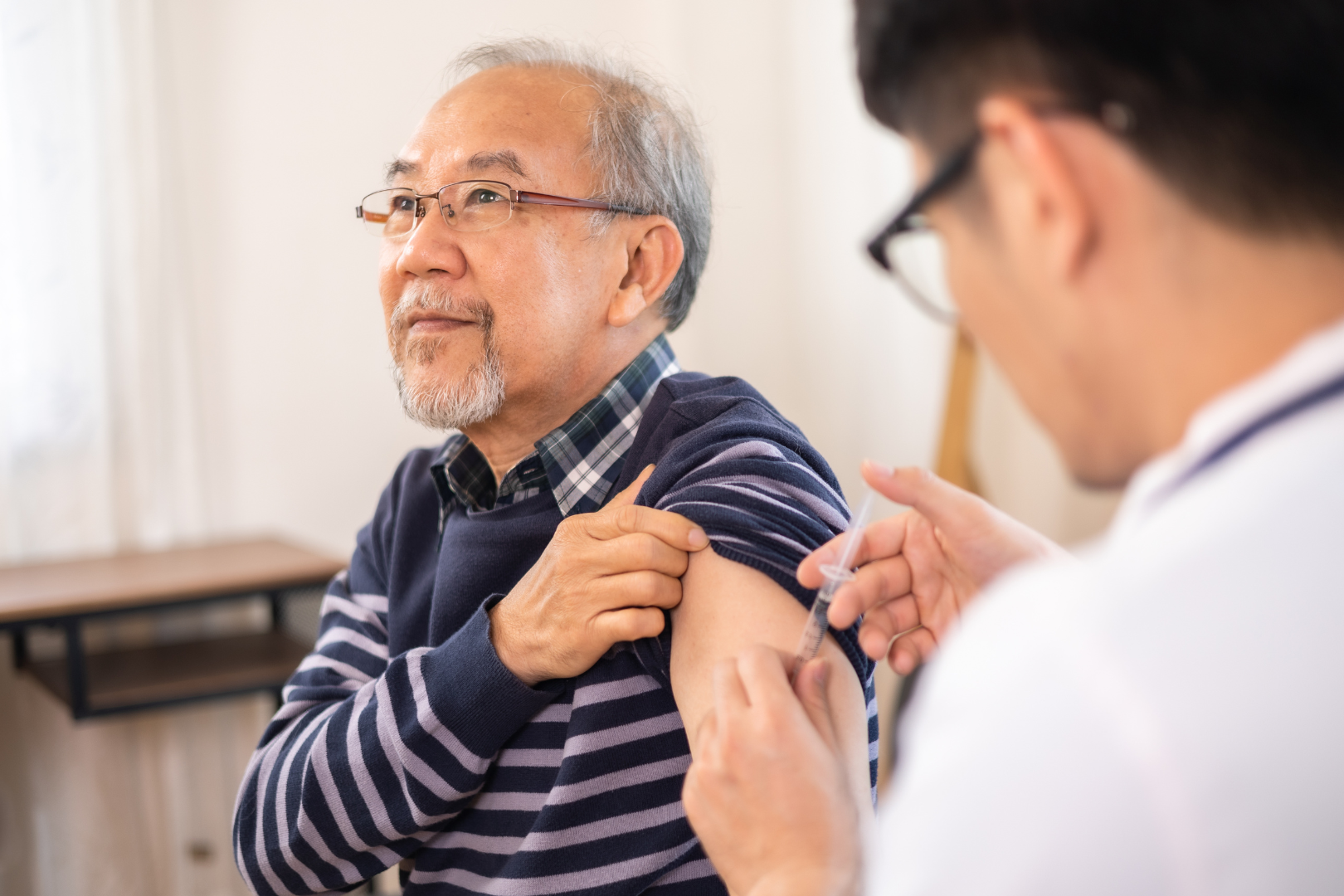
Flu vaccine
The flu vaccine is offered free through the NHS to people who are more likely to become seriously ill from flu.
This includes:
Even if you had a 'flu vaccine last year, it is important to get this year's vaccine because protection reduces over time and circulating ‘flu viruses differ each year.
Those who are not eligible for a free ‘flu vaccine through the NHS may be able to access it through their employer, or by purchasing privately at a local pharmacy.
You can find out more on the NHS website.
COVID-19 vaccine
From autumn 2026, the NHS COVID-19 vaccination is offered to:
You can find out more on the NHS website.
RSV vaccine
RSV is a common respiratory virus. It usually causes mild cold-like symptoms, but it can cause serious illness in babies, older adults and some people with health conditions.
From September 2026, the RSV vaccine is offered to:
Eligibility can differ between vaccines. Check the latest NHS information or speak to your GP or pharmacist if you are unsure whether you are eligible.
Winter can feel isolating, particularly when bad weather makes it harder to get out.
Check in on friends, family and neighbours who may be more vulnerable during cold weather, particularly people who live alone, are older, have a health condition or may find it difficult to get out.
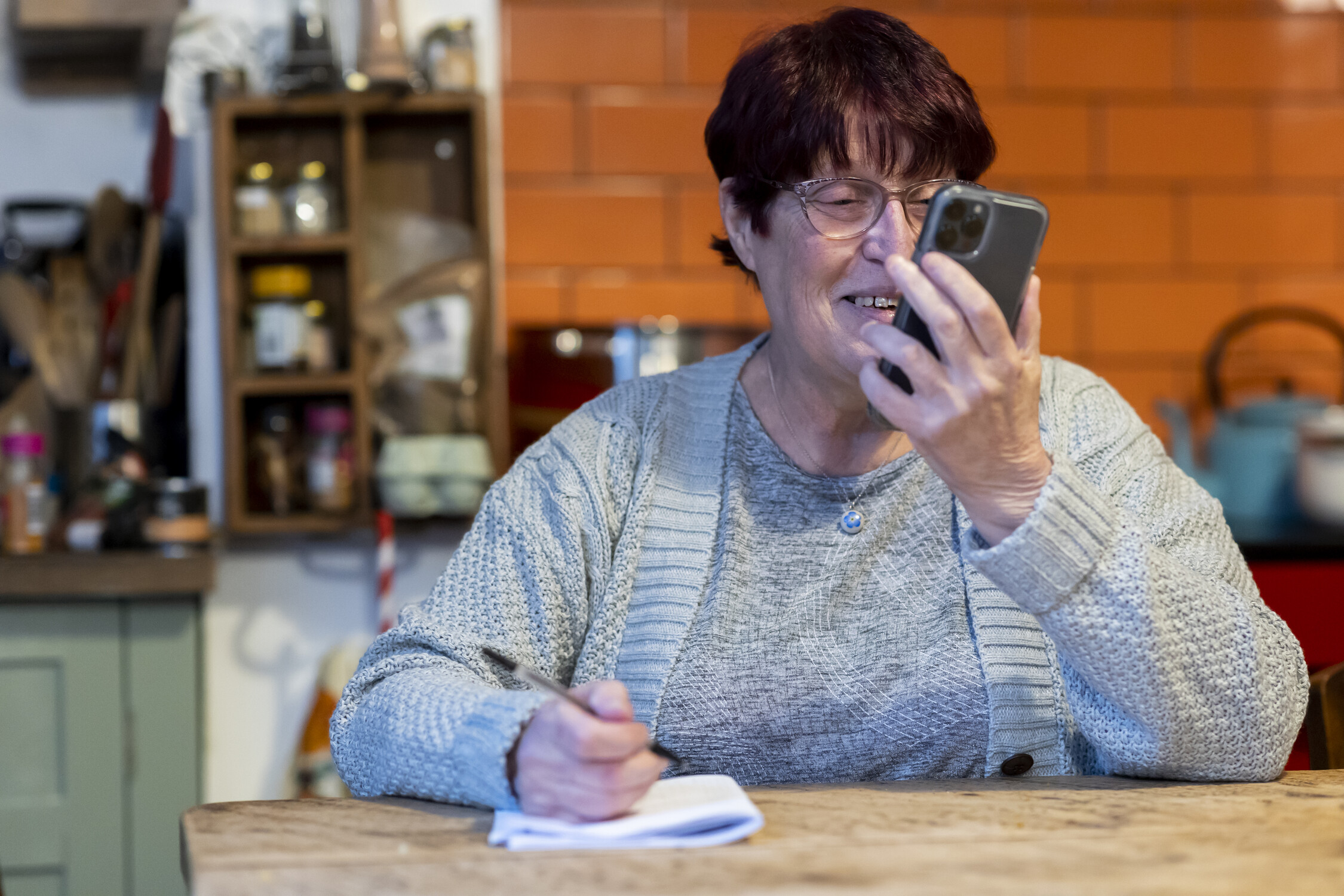
If cold or severe weather is forecast:
There are groups, activities and community spaces across Havering where you can meet other people and stay connected.
If winter is affecting your mood or mental wellbeing, support is also available locally.
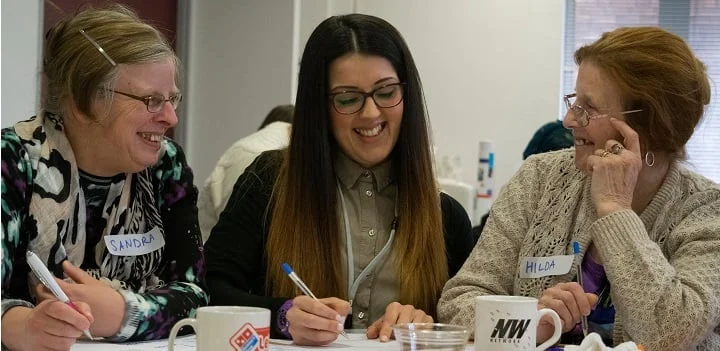
Free refreshments, activities and talks in partnership with AgeUK RBH Di’s Diamonds over 50s social group.

Activities, breakfast, refreshments, advisory information and free use of IT Suite and computers.

Social morning with refreshments and activities hosted by Elm Park Community Association.

Refreshments, lunch, activities, arts and crafts, children’s corner.

Hosted by HoPEC (House of Polish and European Community). Soup, tea and coffee board games, reading corner and occasional activities.
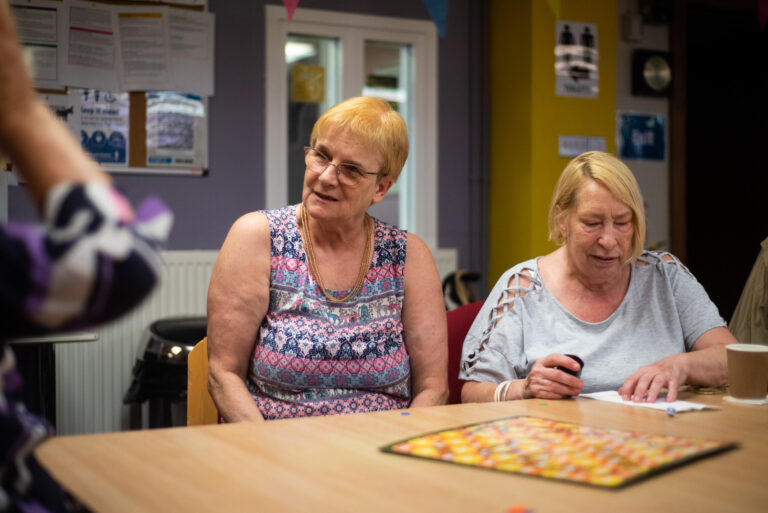
Warm Spaces are heated, safe and friendly places and are free to use for anyone struggling to heat their home.
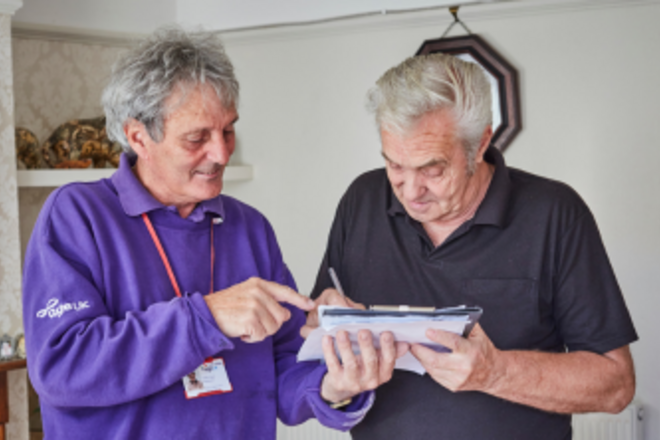
The Havering Energy Doctors is a council funded service delivered in partnership with Age UK East London and Age UK Redbridge, Barking & Havering which is available to all Havering Residents age 18 and over free of charge. It aims to support people who may be struggling with rising energy bills or living in homes that are difficult to keep warm.

I can help you search this website. Chat with me to help you find the information you are looking for.
Chat with meMessageLiv
Your location is only used to give you tailored responses. Read our Privacy Policy for detail.